
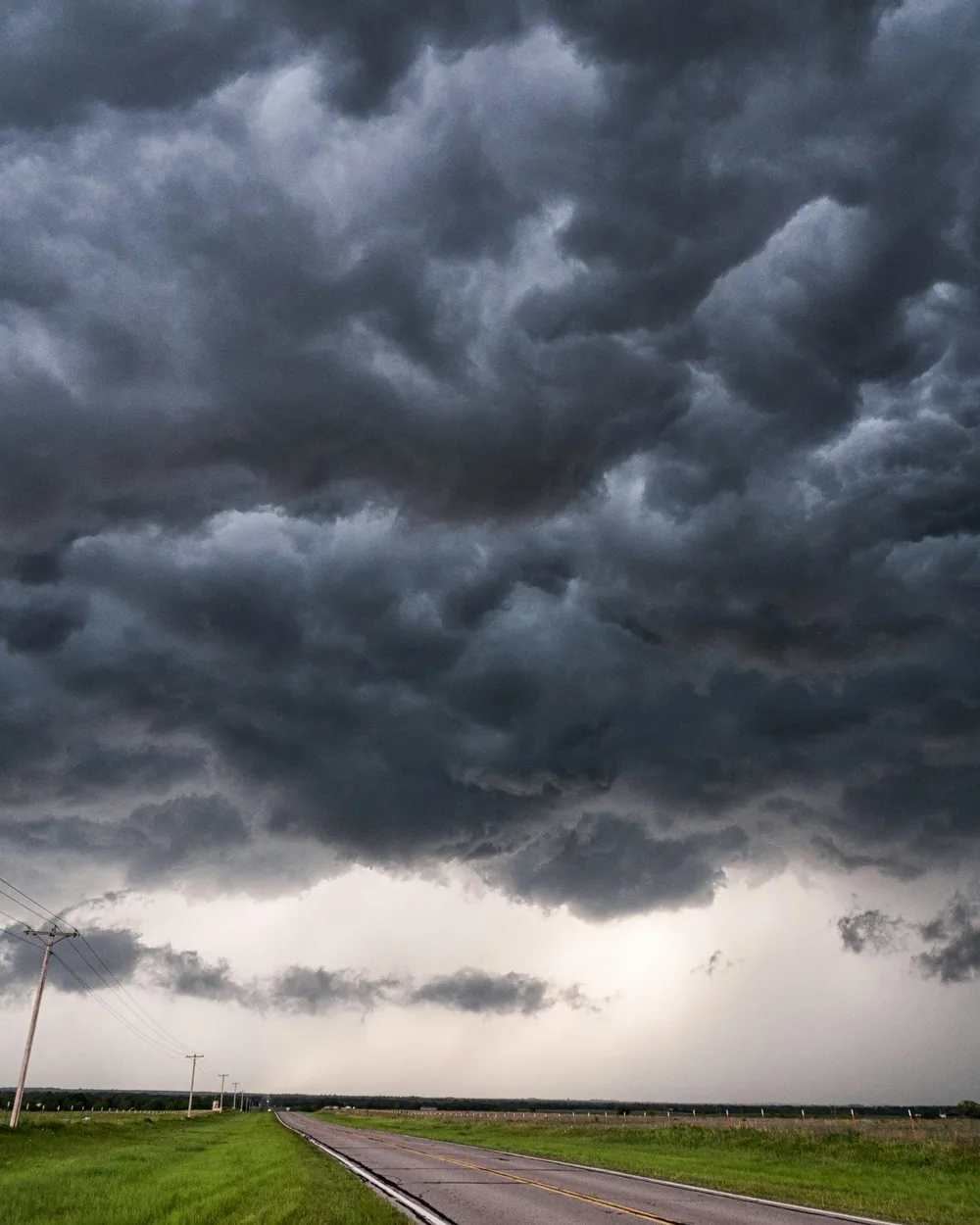
Every spring, the same question lands in our inbox the morning after a supercell: “Did the hail just kill my solar panels?” Here’s the honest, experienced answer for Concho Valley homeowners.
Panels are tougher than your roof
Quality solar panels are tested to UL 61730 / IEC 61215 standards, which include surviving 1-inch hail at roughly 52 mph — and most premium panels are tested beyond that, to 1.75–2-inch stones. Tempered glass that laughs at pea-to-quarter-size hail is the norm.
The statistics back it up: after major hail events in Texas, solar arrays routinely come through with far less damage than the shingle roofs they’re mounted on. Your roof needs replacing while your panels shrug is a genuinely common outcome.
But golf balls are golf balls
Concho Valley springs produce 2-inch-plus hail every few years, and that can crack glass, micro-fracture cells, and bend frames. Damage isn’t always visible from the ground — micro-cracks show up first as a slow production decline in your monitoring app.
What to do after a storm
- Check your monitoring app for zero or sharply reduced production.
- Look from the ground (binoculars help) for spider-web glass patterns.
- Call your insurance company — hail damage to solar is typically covered under your homeowners policy, and claim windows matter.
- Get a documented assessment. A repair tech photographs damage in adjuster-friendly format, tests production, and writes the estimate your claim needs.
Buying new? Spec for the storm
If you’re installing in hail country, ask specifically about hail ratings and glass thickness, keep your system documentation handy for insurance, and confirm your policy covers the array (most do automatically once notified). The right equipment makes spring a lot less interesting.
Questions about your roof?
Get a no-obligation quote from a vetted local pro.